By The Alder Group
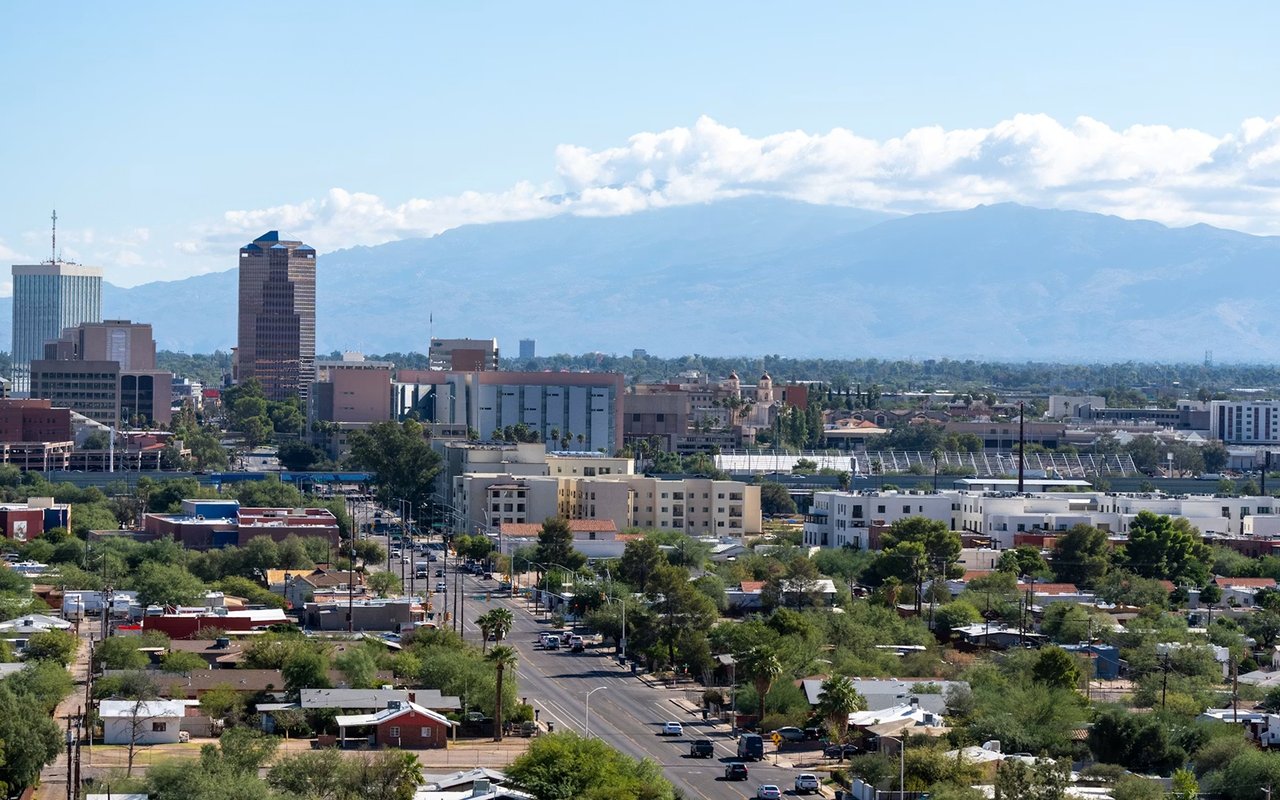
Tucson operates on its own real estate calendar, one shaped less by the national spring selling season and more by the Sonoran Desert's climate, the migration patterns of out-of-state buyers, and the rhythms of a city where snowbirds, University of Arizona families, and year-round residents all move through the market on different schedules.
The answer to "when should I sell?" here almost always begins the same way, with a close look at who your likely buyer is and when that buyer is actually present and motivated in Tucson. Here's how we think about it.
Key Takeaways
- Tucson's peak season differs from the national calendar: While most U.S. markets peak in summer, Tucson's most active buying window runs from January through April, driven by snowbird migration and mild weather
- Summer is uniquely challenging: Triple-digit heat during July and August deters out-of-state buyers from visiting in person, which matters significantly in a market where a large share of buyers come from colder climates
- Fall offers a useful secondary window: October and November bring cooling temperatures, lower competition from other sellers, and the first wave of winter visitors arriving to experience the desert before committing to a purchase
- Tucson AZ seasonal trends: Condos and smaller single-family homes follow a different rhythm than large estate properties in the Catalina Foothills or Oro Valley
January Through April: Tucson's True Peak Season
Tucson's real selling energy arrives earlier than most markets expect, building from January through April in a pattern driven by one of the most distinctive features of Southern Arizona's buyer pool: the winter visitor.
- The in-person effect: A significant share of Tucson's most motivated buyers come from colder climates, and they are physically present during these months, experiencing the desert lifestyle firsthand rather than imagining it from a distance
- Inventory timing: Sellers who list in January or early February benefit from a moment before the spring inventory surge
- The Gem Show effect: The Tucson Gem and Mineral Show, held each February and drawing visitors from across the country and internationally, adds a secondary burst of foot traffic and energy to the city
For condos, townhouses, and smaller single-family homes especially, this window is the most productive of the year, and informed sellers are better positioned to price and present their properties accordingly.
May Through June: The Transitional Window
May and June occupy a transitional position in Tucson AZ seasonal trends, as the snowbird population returns north and the market shifts toward a buyer pool that is more locally rooted and more focused on the school-year calendar.
- Family buyer activity: Families with school-age children remain active through this period, motivated by the desire to be settled before the new school year begins in August
- Increased competition: Sellers in May and June are often competing with the inventory that accumulated through spring, which means pricing accuracy and presentation quality carry more weight than at any other point in the year
- Motivated buyers still present: A well-priced, well-presented property in May can still perform strongly
The transitional window rewards sellers who arrive prepared and priced correctly, and it tends to expose sellers who relied on peak-season momentum rather than doing the foundational work of accurate positioning.
July Through September: Tucson's Most Challenging Season
July through September is the period that most experienced Tucson agents will advise sellers to avoid if they have flexibility, because the heat does something specific and concrete to this market: it keeps out-of-state buyers away.
- The absent buyer: The buyer who would fly from Chicago or Vancouver in February to tour properties and fall in love with the desert is not making that trip in August, which means the market contracts significantly in size and shifts toward a narrower subset of locally present, circumstance-driven buyers
- Days on market accumulation: Properties that sit unsold through summer accumulate days on market, a metric buyers and their agents notice and that can create a perception of something being wrong with a property even when the issue is purely one of seasonal timing
- Strategic use of summer: For sellers with flexibility, using July and August as a preparation period and launching fresh in October or January is almost always a more effective strategy than pushing through the heat
Summer in Tucson is best understood not as a selling season to endure but as a preparation season to use deliberately, and the sellers who treat it that way consistently arrive at their listing date in stronger shape than those who list in July and absorb the consequences of thin buyer traffic.
October and November: The Overlooked Second Window
Fall is one of the most underappreciated windows in Tucson AZ seasonal trends, offering a combination of lower inventory competition and genuinely comfortable weather.
- Lower competition: Inventory is typically thinner in October and November than it will be by March, which means well-prepared sellers face less direct competition from comparable listings, and the buyers who are present are not overwhelmed with choices
- Motivated early arrivals: The buyers present during fall are purposeful, and that motivation translates to more serious conversations and fewer dead-end showings
- Luxury timing advantage: For estate homes in the Catalina Foothills and Oro Valley, fall listings can capture the earliest and most financially capable winter visitors
Fall rewards sellers who treat it as a strategic choice rather than a fallback position, and for the right property in the right neighborhood, an October listing can outperform a February one precisely because so few sellers are willing to try it.
FAQs
Does the University of Arizona affect Tucson's selling season?
The university creates a secondary market rhythm that is most visible in the summer, when families of incoming students make housing decisions, and in the spring, when graduating students and faculty relocating to or from Tucson generate additional buyer and seller activity.
Is winter ever a good time to sell in Tucson?
December is more active in Tucson than in most U.S. markets precisely because the city's mild winter climate functions as an ongoing draw for buyers during the months when the rest of the country is dealing with snow and cold. The holiday period slows activity across the first two weeks of December, but the latter half of the month and the transition into January can be productive.
How should I think about timing if I cannot control when I sell?
The honest answer is that preparation quality and pricing accuracy matter more than perfect timing in a market like Tucson's. A seller who cannot wait for January but lists a well-priced, well-presented property in September with strong marketing and a clear understanding of who the current buyer pool is will outperform a seller who times the market perfectly but arrives underprepared.
Contact The Alder Group Today
Tucson's seasonal rhythms are genuinely different from what most sellers expect when they first think about listing, and working with agents who understand those rhythms at a granular level makes a meaningful difference in outcomes.
If you are thinking about selling in Tucson and want an honest assessment of your timing and positioning, reach out to us at
The Alder Group.