In Tucson, history doesn’t just live in museums and archives; it’s in the walls, courtyards, and adobe bricks of the city’s oldest neighborhoods. From colorful rowhouses in Barrio Viejo to elegant bungalows in Sam Hughes, these homes offer something you won’t find in new builds: timeless architecture and deep cultural roots. But buying and restoring historic homes in Tucson comes with a unique set of rewards and responsibilities that every buyer should understand.
Why Historic Homes in Tucson Continue to Attract Buyers
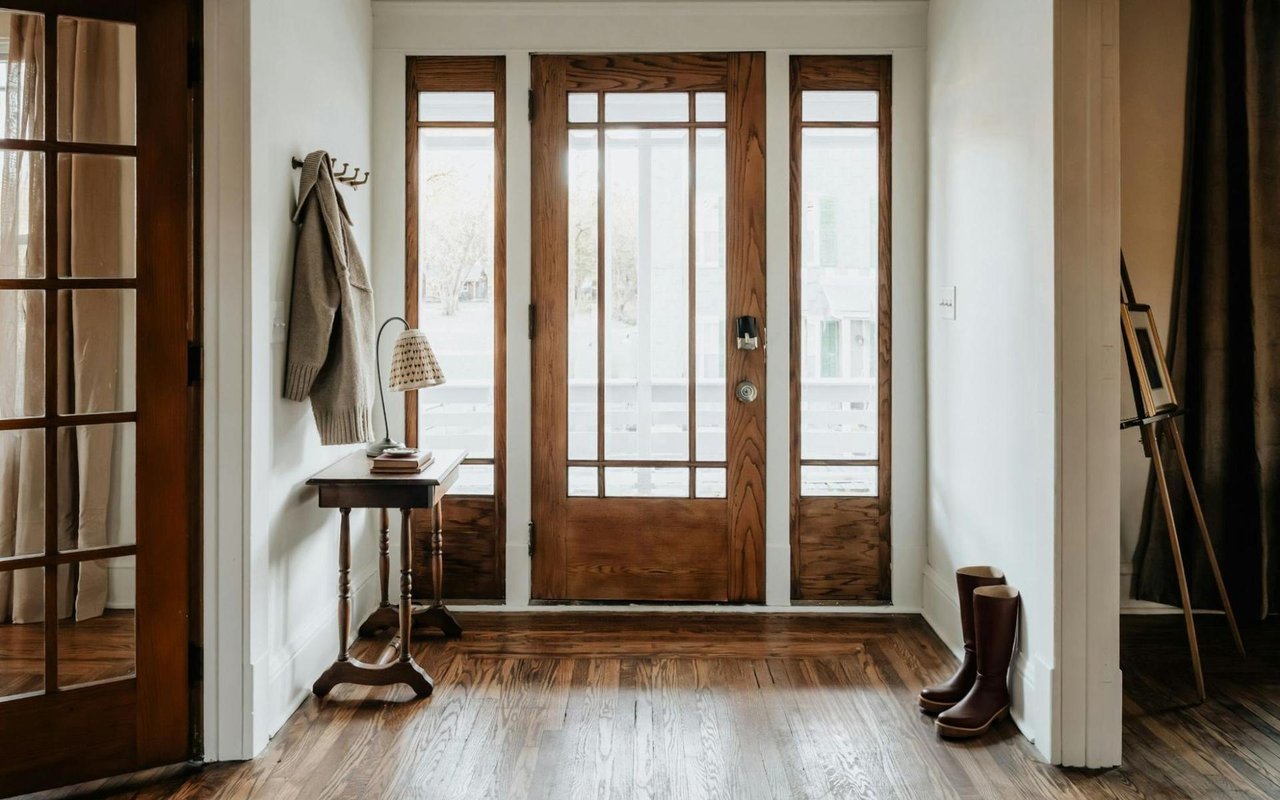
Tucson’s historic homes stand out in a market dominated by modern subdivisions and new construction. These properties offer distinctive architecture, from Spanish Colonial Revival and Craftsman bungalows to rare Sonoran adobe homes, that reflects the region’s layered history. Original details like plaster walls, wood-beamed ceilings, and wrought-iron accents give these homes a character that simply can’t be replicated.
But it’s not just about aesthetics. Buyers are often drawn to historic homes in Tucson for their location, walkability, and lasting value. Neighborhoods such as West University, El Presidio, and Armory Park are not only close to downtown, the University of Arizona, and vibrant commercial corridors—they’ve also proven to be some of the city’s most stable and desirable places to own real estate.
Tucson’s Most Notable Historic Neighborhoods
If you’re considering buying a historic home, where you look matters just as much as what you buy. Tucson is home to multiple Historic Preservation Zones (HPZs) and recognized districts, each with its own architectural style, community character, and restoration rules.
-
Sam Hughes: Located just east of the University of Arizona, this neighborhood features Mission Revival, Spanish Colonial, and Craftsman-style homes. Wide streets, mature trees, and a strong sense of community make it a perennial favorite.
-
Barrio Viejo: Known for its vivid facades and adobe rowhouses, this downtown district reflects Tucson’s Mexican-American heritage. Many homes here date back to the 1800s and have been thoughtfully preserved or restored.
-
West University: One of Tucson’s oldest neighborhoods, this area offers Queen Anne-style homes, early 20th-century bungalows, and an unbeatable location next to the university and downtown.
-
El Presidio: Just north of downtown, this area features territorial and adobe homes with deep historical significance and direct ties to Tucson’s early settlement period.
-
Blenman-Elm: Situated northeast of the University of Arizona, Blenman-Elm is known for its bungalow homes, Pueblo Revival styles, and wide lots with mature desert landscaping. The neighborhood offers a quieter residential feel while still providing easy access to both the university and central Tucson.
What to Expect When Buying a Historic Home
Purchasing a historic home in Tucson isn’t the same as buying a newer property. Many of these homes have quirks, from uneven flooring and original plumbing to unconventional layouts. But those quirks are often what make these homes special.
Before closing on a historic property, here are a few things to keep in mind:
-
Confirm Historic Designation: Some homes are located within historic districts but are not contributing properties. Others are listed on state or national historic registers. Each designation may carry different restoration obligations or benefits.
-
Inspections Matter More Here: A thorough inspection is essential. Look for inspectors who have experience with older homes and can evaluate adobe or masonry construction, foundation issues, and outdated systems like knob-and-tube wiring or galvanized pipes.
-
Renovation Planning: If your restoration plans involve changes to the exterior, such as replacing windows, altering the roofline, or updating the facade, you’ll need to get those plans reviewed and approved by the city’s Historic Preservation Commission.
For buyers who are detail-oriented, patient, and willing to work within clear guidelines, the rewards of owning one of these unique homes often outweigh the challenges.
Financing and Incentives for Historic Restoration
Restoring a historic property may come with higher upfront costs, but there are tools available to help lighten the load, especially if you plan to do the work in line with preservation standards.
-
Renovation-Friendly Loans: Mortgage products like the FHA 203(k) or Fannie Mae Homestyle loans allow buyers to finance both the purchase and the cost of renovations in one package. These are especially helpful if the home needs substantial upgrades.
-
Arizona Historic Property Tax Reduction: This program offers qualifying homeowners a significant reduction in property taxes if they maintain the historic character of their property. It’s a popular incentive for owners of contributing homes within designated districts.
-
City Resources and Grants: The City of Tucson offers guidance and occasional grants for preservation work. While competitive, these programs support efforts to maintain the architectural integrity of Tucson’s oldest neighborhoods.
Tapping into these resources not only helps offset costs, but it also ensures that the work you do contributes positively to the city’s preservation goals.
Restoring with Integrity: Blending Old and New
The best restorations don’t erase the past; they highlight it. Successful renovation projects in Tucson preserve original features while modernizing systems and layouts for contemporary living.
-
Interior Systems: Behind-the-scenes upgrades to plumbing, electrical, and HVAC are usually top priorities. Modern efficiency doesn’t have to clash with historic design when handled correctly.
-
Kitchens and Bathrooms: These rooms often require the most updating. Using period-appropriate materials (like hex tile, wood cabinetry, or vintage lighting) can keep the charm intact while improving function.
-
Windows and Doors: Original windows can often be restored rather than replaced. In most HPZs, window replacement is discouraged unless absolutely necessary.
-
Exterior Details: From clay tile roofs to original stucco textures, the exterior work often matters most when it comes to meeting historic preservation standards.
Restoring historic homes in Tucson is rarely a fast project, but for those who take the time to do it right, the end result is a home that’s both functional and filled with character.
Long-Term Benefits and Market Performance
Historic homes that have been well-maintained tend to hold their value and often appreciate more consistently than similar-sized homes in non-historic areas. That’s because the supply is limited, the demand is steady, and the locations are usually excellent.
In Tucson, buyers continue to pay a premium for homes in Sam Hughes, El Presidio, and West University, not just for their charm, but for their proximity to downtown, the university, and lifestyle amenities. These neighborhoods also appeal to buyers who appreciate sustainability, walkability, and a sense of authenticity.
For those thinking long-term, historic homes offer more than just a place to live; they offer legacy, character, and connection to the city’s heritage.
Explore Historic Homes in Tucson with The Alder Group
If you’re drawn to the idea of restoring and living in a home with history, now is the time to explore your options. Tucson’s historic districts offer a rare mix of architectural beauty, location, and long-term value, especially for buyers who appreciate craftsmanship and culture.
To learn more about available properties and what to expect when buying or restoring a historic home in Tucson, connect with the local experts at
The Alder Group. With deep knowledge of the city’s historic neighborhoods and renovation process, they’ll help you find a home that’s as unique as Tucson itself.