By The Alder Group
Living in Tucson means more than just enjoying sunshine and saguaros; it means being part of a place with thousands of years of cultural depth and transformation. We’ve helped clients move into historic adobe homes, modern condos, and everything in between, but no matter where you live, the history of Tucson surrounds you. From ancient indigenous settlements to its role in the Old West and beyond, Tucson’s past is woven into its architecture, neighborhoods, and way of life. Here's a look at the milestones that shaped the city we call home.
Key Takeaways
- Tucson is one of the oldest continuously inhabited areas in North America, dating back over 4,000 years.
- Its Spanish colonial, Mexican, and territorial histories are still visible in neighborhoods like Barrio Viejo and El Presidio.
- The arrival of the Southern Pacific Railroad in 1880 marked a major turning point in Tucson’s development.
- Historic landmarks like Mission San Xavier del Bac and Hotel Congress still play an active role in Tucson life today.
Indigenous Foundations: 4,000+ Years of Settlement
Tucson’s roots go far beyond statehood; this region was home to thriving communities long before European arrival.
What Remains of This Early Era
- The Santa Cruz River supported early agriculture: The Hohokam people developed canal systems to farm corn, beans, and squash in what’s now downtown Tucson.
- Artifacts unearthed at the base of “A” Mountain show that humans have lived in this area for over four millennia, making it one of the oldest inhabited places in North America.
- Today’s Tohono O’odham Nation: Descendants of these early settlers remain culturally and economically active across Southern Arizona.
Spanish and Mexican Influence: 1692–1854
Spanish colonization in the late 1600s introduced missions, forts, and Catholicism to the region, laying the groundwork for many Tucson traditions.
Landmarks From This Period Still Standing
- Mission San Xavier del Bac: Completed in 1797, this white stucco mission south of town is one of the best-preserved Spanish colonial structures in the U.S.
- El Presidio Historic District: Originally a Spanish fort site, this area now includes 19th-century row houses and colorful adobe homes, many lovingly restored.
- Street names and festivals: Spanish-language place names and Catholic feast days like Día de San Juan still reflect the city's colonial legacy.
Territorial Days and the American Transition: 1854–1912
Tucson officially became part of the United States with the Gadsden Purchase, and the late 19th century brought major change.
How Tucson Grew During This Time
- Arizona Territory capital (briefly) in Tucson: From 1867 to 1877, Tucson served as the capital, boosting its profile and economy.
- The arrival of the Southern Pacific Railroad in 1880 turned Tucson into a major trade and travel hub, connecting it to California and Texas.
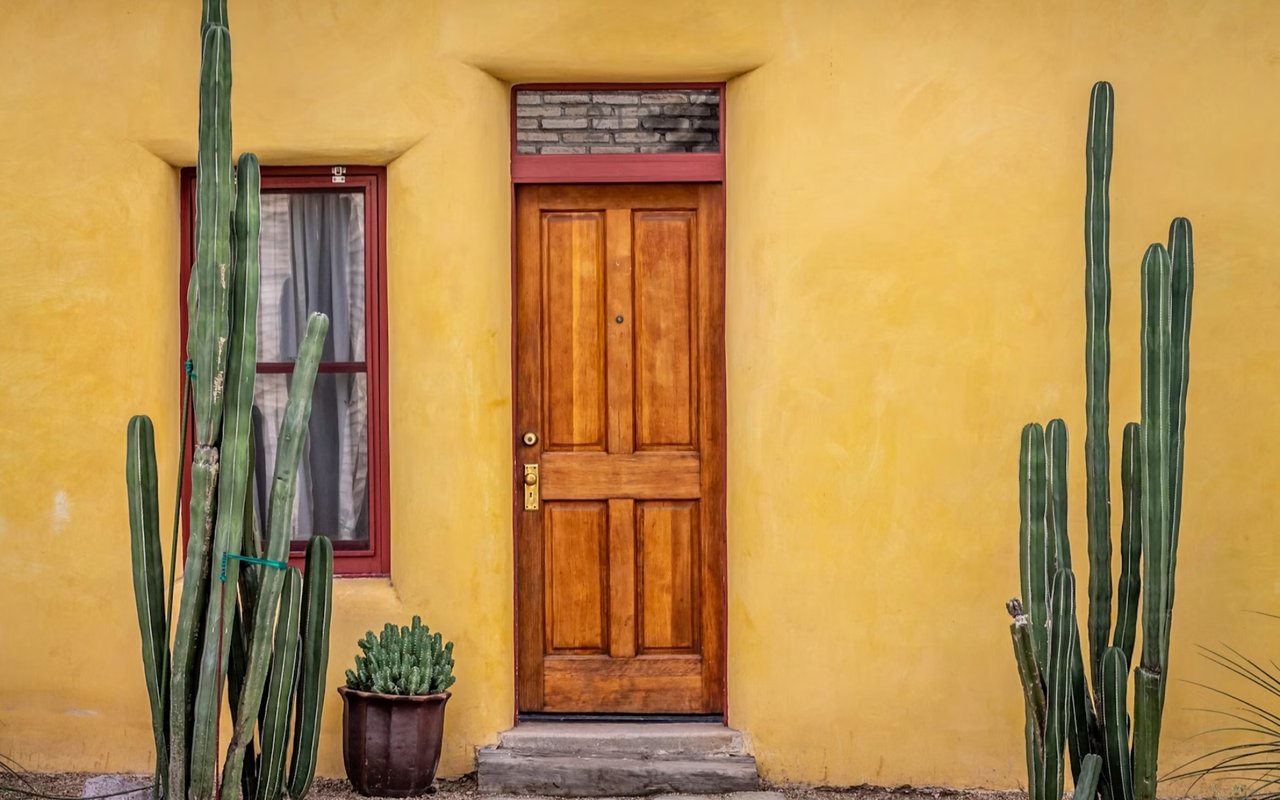
- Boom in Adobe and brick construction: Many homes in Armory Park and Barrio Viejo date back to this era and still stand today.
The 20th Century: Growth, Innovation, and Identity
Tucson’s desert charm and open skies drew artists, entrepreneurs, and scientists through the 20th century.
Cultural Shifts That Still Shape the City
- Establishment of the University of Arizona in 1885: The state's first university became a driver of research and culture, now a major employer and innovation hub.
- Hotel Congress fire in 1934: Famous for the capture of gangster John Dillinger, this building remains a nightlife destination today.
- Post-WWII expansion: Aerospace, defense, and retirees fueled growth, especially in neighborhoods like Catalina Foothills and mid-century pockets of Sam Hughes.
Living With History Today
Tucson honors its heritage not through nostalgia, but through integration. The city’s oldest places are still in daily use, and its layered identity lives on in everything from architecture to cuisine.
Where the Past Meets the Present
- Barrio Viejo: This walkable neighborhood near downtown features 19th-century adobe homes with vibrant color schemes and rich cultural roots.
- Fourth Avenue: A street that mixes territorial-era storefronts with modern cafés and bookstores, showing how Tucson reinvents while preserving.
- Annual events like Tucson Meet Yourself and All Souls Procession: Celebrate the city's multicultural legacy with music, food, and art rooted in Mexican, Native, and Western traditions.
FAQs
What is Tucson best known for historically?
Tucson is known for its layered history, starting with indigenous agriculture and continuing through Spanish colonization, Mexican governance, and U.S. territorial expansion. Its Adobe neighborhoods and historic missions remain defining landmarks.
Can you still visit historic sites in Tucson?
Yes, places like Mission San Xavier del Bac, El Presidio, and Barrio Viejo are open to visitors and actively preserved. Many historic buildings are still in use as homes, museums, restaurants, and cultural spaces.
How does Tucson preserve its historic neighborhoods?
The city has active historic preservation districts, tax incentive programs, and community efforts to maintain adobe homes and Spanish colonial architecture, especially in areas like Armory Park and El Presidio.
Contact Us Today
Whether you're drawn to Tucson's historic neighborhoods, its centuries-old architecture, or the way the past blends seamlessly with modern living, we’d love to help you find a home that fits your lifestyle and values. We understand how the history of Tucson shapes both the market and the community, and we use that knowledge to guide our clients toward homes with lasting meaning and long-term value.
Reach out to us at
The Alder Group, and let’s explore the parts of Tucson where heritage, beauty, and real estate opportunity come together. Whether you're buying, relocating, or just curious, we’re here to help you navigate this timeless city with confidence.