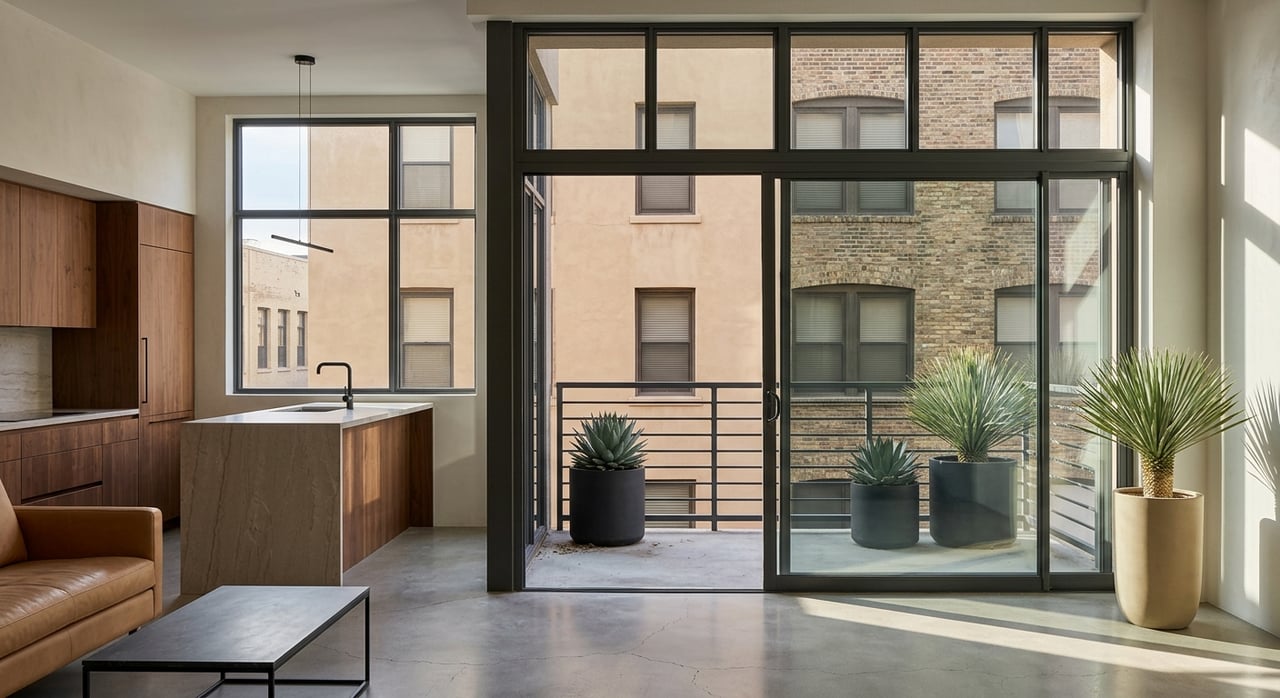
Want a home that puts Tucson’s energy right outside your door? Downtown condo living can offer exactly that, but it comes with a different set of tradeoffs than buying a detached home. If you are thinking about buying a condo in Downtown Tucson, it helps to understand the lifestyle, the ownership structure, and the questions to ask before you make an offer. Let’s dive in.
Downtown Tucson offers a more urban routine than many other parts of the metro. The area has a dense mix of dining, nightlife, shopping, and cultural attractions packed into a compact district, which makes it easier to stay close to daily activities and entertainment.
According to Downtown Tucson Partnership, downtown is home to more than 80 restaurants and bars. The district also features recurring arts and culture programming like live music, public art, walking tours, food tours, and museum events. For many buyers, that mix creates a lifestyle that feels active, convenient, and connected.
Tucson’s identity as the first UNESCO City of Gastronomy in the United States adds another layer to the downtown experience. If food, events, and a more walkable day-to-day routine matter to you, downtown can check boxes that a more suburban area may not.
A condo is not simply an apartment that you own. Under Arizona law, a condominium is real estate where individual units are separately owned, while the rest of the property is owned in common by the unit owners.
That ownership structure affects how the property is maintained. In general, the association is responsible for maintenance, repair, and replacement of the common elements, while you are responsible for your unit itself.
This is one reason condo living often feels more lock-and-leave than owning a detached home. You may have less exterior maintenance to manage, but you also share ownership responsibilities through the association.
Monthly HOA dues are a core part of condo ownership, not a side note. Under Arizona law, assessments are collected for common expenses, and those common expenses can include association spending and reserve allocations.
That means dues may help pay for things like common-area maintenance, insurance, staffing, and future repairs. Two downtown buildings with similar unit sizes can still have very different monthly dues because the budget, reserve funding, building age, and overall maintenance needs may be very different.
It is also important to treat dues as a true carrying cost. Arizona’s resale disclosure statute states that failure to pay association assessments can lead to foreclosure, so this is not an expense you want to underestimate.
One of downtown’s biggest draws is mobility. If you want a home base where you can stay connected to restaurants, events, and nearby destinations without relying on your car for every trip, Downtown Tucson offers strong options.
Sun Tran says the Sun Link Streetcar is a 3.9-mile loop with 23 stops. It connects Mercado San Agustín, Downtown Tucson, Fourth Avenue, Main Gate Square, and the University of Arizona, and it is integrated with bus service and the UA’s Cat Tran system.
Walking and biking are also meaningful parts of the transportation picture. The City of Tucson maintains bikeways and bicycle-pedestrian resources that support lower-stress routing, which can make short downtown trips easier to manage.
Even if you like a walkable lifestyle, you may still want to keep a car. Downtown Tucson is not car-free living for everyone, and parking details can make a big difference when you compare condo options.
The City of Tucson says there are more than 13,000 parking spaces in Downtown Tucson. Park Tucson also reports more than 3,000 covered garage spaces and almost 1,000 surface-lot spaces downtown and along the streetcar corridor.
Downtown Tucson Partnership notes that on-street meter parking is free after 7 p.m. Monday through Saturday and all day Sunday. That can be useful for guests, but as a buyer, you should still verify how parking works for the specific building you are considering.
Parking is one of the easiest details to overlook and one of the most important to confirm. Before you move forward, ask exactly how parking is handled in the building.
Key questions include:
These answers can shape your daily routine more than you might expect, especially in a downtown setting.
Arizona law requires a condo resale disclosure package with important documents and financial information. This package must include the association’s declaration, bylaws, rules, current operating budget, most recent annual financial report, most recent reserve study if there is one, and a summary of pending lawsuits.
The disclosure must also state the current assessment amount and any unpaid amounts due from the seller. The association may charge up to $400 for preparation and delivery of the resale documents.
This paperwork matters because it helps you evaluate the building beyond the listing photos. A polished unit may still sit inside an association with budget strain, weak reserves, or rules that do not fit your plans.
When you review resale documents, focus on the details that affect your ownership experience and your future costs. This is where smart buyers slow down and get specific.
Pay close attention to:
A condo purchase is about both the unit and the association behind it. You want both to make sense.
If you think you may want flexibility in the future, rental policy should be one of your first questions. Arizona law says a unit owner may use the unit as a rental property unless the declaration prohibits it, and rental time-period restrictions can apply.
That means rental rules are largely shaped by the condo documents, not by a one-size-fits-all downtown standard. Some buildings may offer more flexibility than others, so it is important to confirm the rules before you buy rather than assume you can rent the unit later.
This point matters for part-time residents, relocators, and buyers thinking about long-term options. Even if you plan to occupy the unit now, future flexibility can still affect resale appeal and your overall strategy.
Insurance is another area where condo buyers should look closely. Arizona law requires association liability insurance for occurrences tied to the use, ownership, or maintenance of the common elements.
That does not automatically mean the building’s policy covers everything inside your unit. Before closing, confirm where the association’s coverage stops and where your own policy needs to begin.
This is one of those details that can feel small until it is not. Clear answers up front can help you avoid surprises later.
Downtown condo living tends to work best for buyers who value convenience, access, and a lower-maintenance home base. If you want to be near restaurants, arts venues, events, and transit connections, the lifestyle can be a strong match.
It can also appeal to relocators, part-time residents, frequent travelers, and early-stage buyers who want a more flexible footprint. In many cases, the tradeoff is giving up some private outdoor space and accepting HOA rules, shared decision-making, and building-specific restrictions.
A helpful way to think about it is this: downtown condo living often buys access and ease, while other areas may offer more space and more control over the property. Neither is better across the board. It depends on how you want to live.
Before buying downtown, think beyond the finishes inside the unit. The right condo should match your routine as much as your budget.
Ask yourself:
If your answers point toward convenience, mobility, and a lock-and-leave setup, downtown condo living may be a smart fit.
Buying a condo in Downtown Tucson is not just about square footage. It is about choosing a lifestyle, understanding the building, and making sure the numbers and rules support the way you want to live. If you want clear guidance as you compare downtown options, The Alder Group can help you evaluate the details with confidence.

100 N Stone Ave, Suite 100 Tucson, AZ 85701
100 N Stone Ave, Suite 100 Tucson, AZ 85701