If you're deciding between Tucson and Phoenix for your next home or investment property, you're not alone. These two Arizona cities offer very different experiences, both on the ground and in the real estate market. Whether you're focused on lifestyle, cash flow, or long-term appreciation, understanding the real differences between Tucson and Phoenix real estate will help you make a smarter move.
Tucson vs Phoenix: Market Size and Housing Costs
Phoenix:
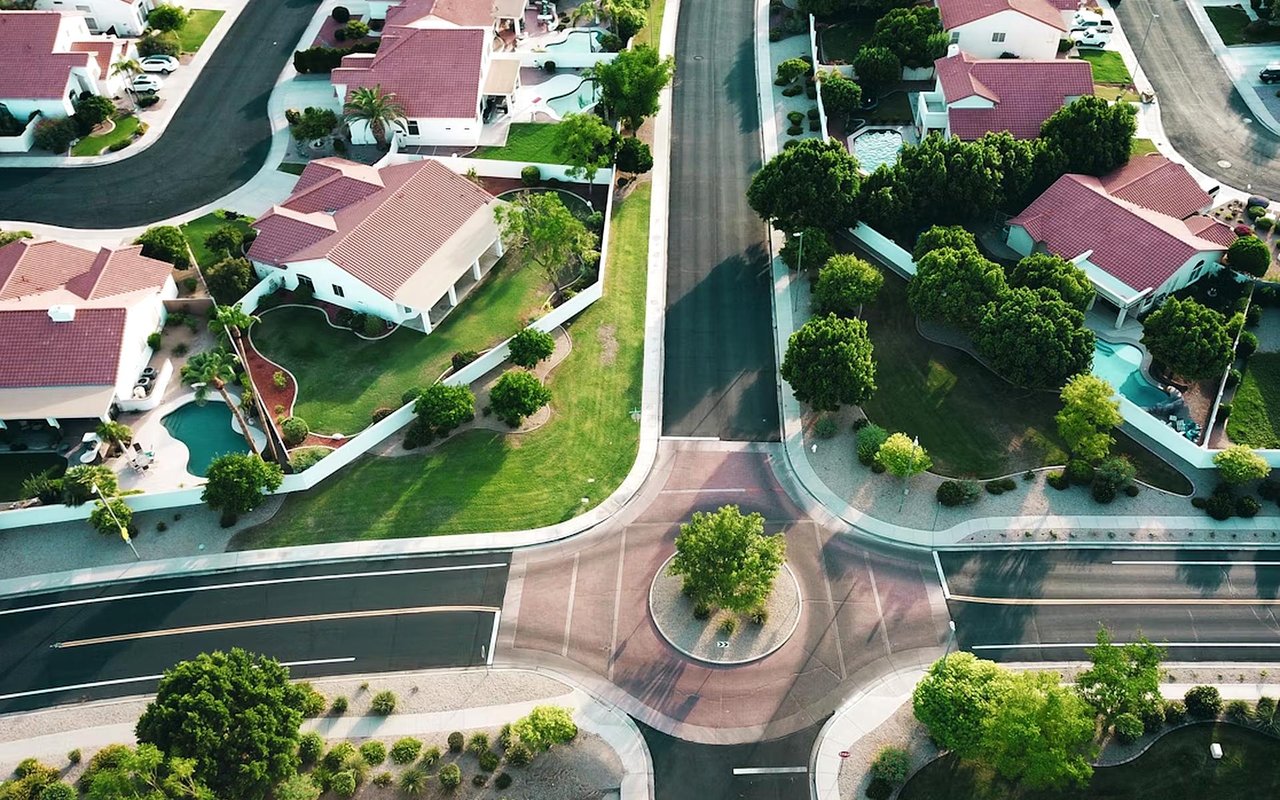
As the fifth-largest city in the U.S., Phoenix is a sprawling metropolis with a population of over 1.6 million, and it shows in the real estate market. Demand is high, inventory moves quickly, and home prices reflect the competition. As of mid-2025, median home prices in Phoenix hover around $475,000, with suburban areas like Gilbert and Scottsdale frequently exceeding $600,000. Buyers entering this market should be prepared for stiff competition and faster price growth, particularly in high-demand neighborhoods.
Tucson:
Tucson, by comparison, offers a smaller, more navigable market with a population of just over 550,000. Median home prices are closer to $325,000, which means lower barriers to entry for both homeowners and investors. That price gap alone often tips the scale for those looking to get more square footage for their dollar. The pace here is also more manageable; while homes still move quickly in hot neighborhoods, buyers and investors generally have more room to negotiate.
For those comparing Tucson vs Phoenix real estate from a cost perspective, Tucson remains significantly more accessible, especially for first-time buyers and small portfolio investors.
Lifestyle: Fast-Paced Urban Living or Desert-Driven Balance?
Phoenix:
If you're looking for a high-energy urban lifestyle with all the big-city perks, Phoenix delivers. The city boasts pro sports teams, a booming tech and finance job market, major event venues, and nightlife options that stretch late into the evening. Commuting, however, can be a challenge. The city's vast sprawl and heavy traffic often mean long drives between work, home, and entertainment, even with a robust freeway system.
Tucson:
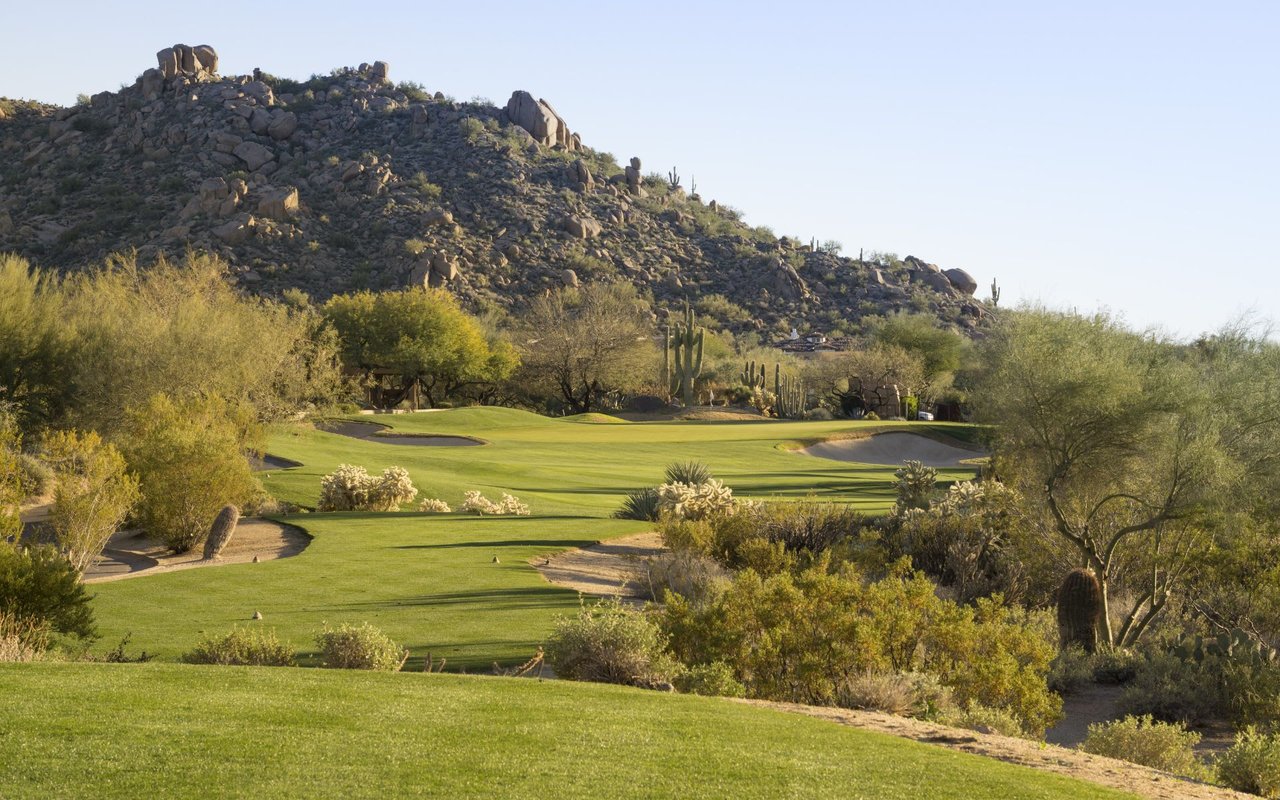
Tucson offers a completely different rhythm. Known for its laid-back atmosphere, outdoor lifestyle, and close-knit neighborhoods, Tucson feels more grounded and personal. You’re never far from a mountain trail, an arts district, or a locally owned coffee shop. The city’s proximity to Saguaro National Park, Mount Lemmon, and miles of bike paths draws outdoor lovers year-round. While it may not have the same big-box entertainment options as Phoenix, it more than makes up for it with charm, access to nature, and a slower pace of life.
If lifestyle is a deciding factor, Tucson appeals to those looking for balance, community, and room to breathe. Phoenix suits those who thrive in fast-paced, high-density environments with big-city energy.
Investment Outlook: Appreciation vs. Cash Flow
Phoenix:
Investors eyeing appreciation tend to focus on Phoenix. Over the past decade, Phoenix has been a top-performing metro for year-over-year home value increases, thanks to rapid population growth, major corporate relocations, and new development. Neighborhoods like Arcadia, Roosevelt Row, and Laveen continue to see new projects and rising prices. If your strategy leans toward flipping or buying in emerging areas with the hope of resale at a premium, Phoenix offers more volatility, but also potentially higher upside.
Tucson:
Tucson’s strength lies in consistent rental demand and stronger monthly cash flow potential. With lower acquisition costs and solid rent-to-price ratios, investors can often achieve better net returns in Tucson, especially with long-term rentals near the University of Arizona, Banner Health, and Raytheon. The student and medical markets provide steady tenants, and vacancy rates remain low in neighborhoods like Sam Hughes, Menlo Park, and Rita Ranch. While appreciation is slower and steadier than in Phoenix, Tucson rewards patient investors with long-term stability and less exposure to market swings.
So, when it comes to comparing Tucson vs Phoenix real estate from an investor's lens, Phoenix may offer more speculative appreciation plays, while Tucson often wins on reliable income and lower operating costs.
Market Volatility and Risk Tolerance
Phoenix:
Because Phoenix’s economy is tightly connected to national corporate trends, tech, and finance, it’s more susceptible to larger market fluctuations. When interest rates rise or economic uncertainty looms, Phoenix sees sharper swings in home values. This also means a higher risk for investors who buy at the peak without long-term holding strategies. However, its sheer size and liquidity mean there are always buyers, sellers, and deals moving at volume.
Tucson:
Tucson has historically weathered market shifts more gently. The local economy, buoyed by education, healthcare, aerospace, and tourism, creates a cushion against major volatility. That doesn’t mean Tucson is recession-proof, but home values tend to hold steadier, and recovery periods are often shorter. For risk-averse buyers or those with longer investment horizons, Tucson can offer a smoother ride with fewer surprises.
Tucson vs Phoenix Real Estate: What’s Right for You?
Choosing between these two cities ultimately comes down to goals, budget, and personal preference. If you’re seeking high-stakes appreciation, a major urban lifestyle, and rapid development, Phoenix might be the better fit—but be prepared to pay a premium and accept more market volatility. On the other hand, if you value affordability, steady returns, outdoor access, and a strong sense of place, Tucson is hard to beat.
For many buyers and investors, Tucson provides the ideal blend of livability and long-term value, without the chaos and cost of a massive metro. And if you're looking for a more personalized, grounded real estate experience, Tucson offers that too.
Talk to the Local Experts in Tucson Real Estate
If you're serious about comparing Tucson vs Phoenix real estate, don't make the decision based on headlines or national averages; talk to someone who truly understands both markets from the inside out.
The team at
The Alder Group specializes in helping buyers and investors navigate Tucson’s unique opportunities with clarity and confidence. Whether you’re relocating, investing, or exploring your options, they’ll provide the local insight you need to make the right move.